Fun facts
Did you know?
Jumbo jets once had piano bars, and brand-new planes still come with ashtrays. Here are some of the stranger true stories behind the planes we fly on. Every fact is checked against at least three independent sources, linked under it.
Quiz: how much do you know?
-
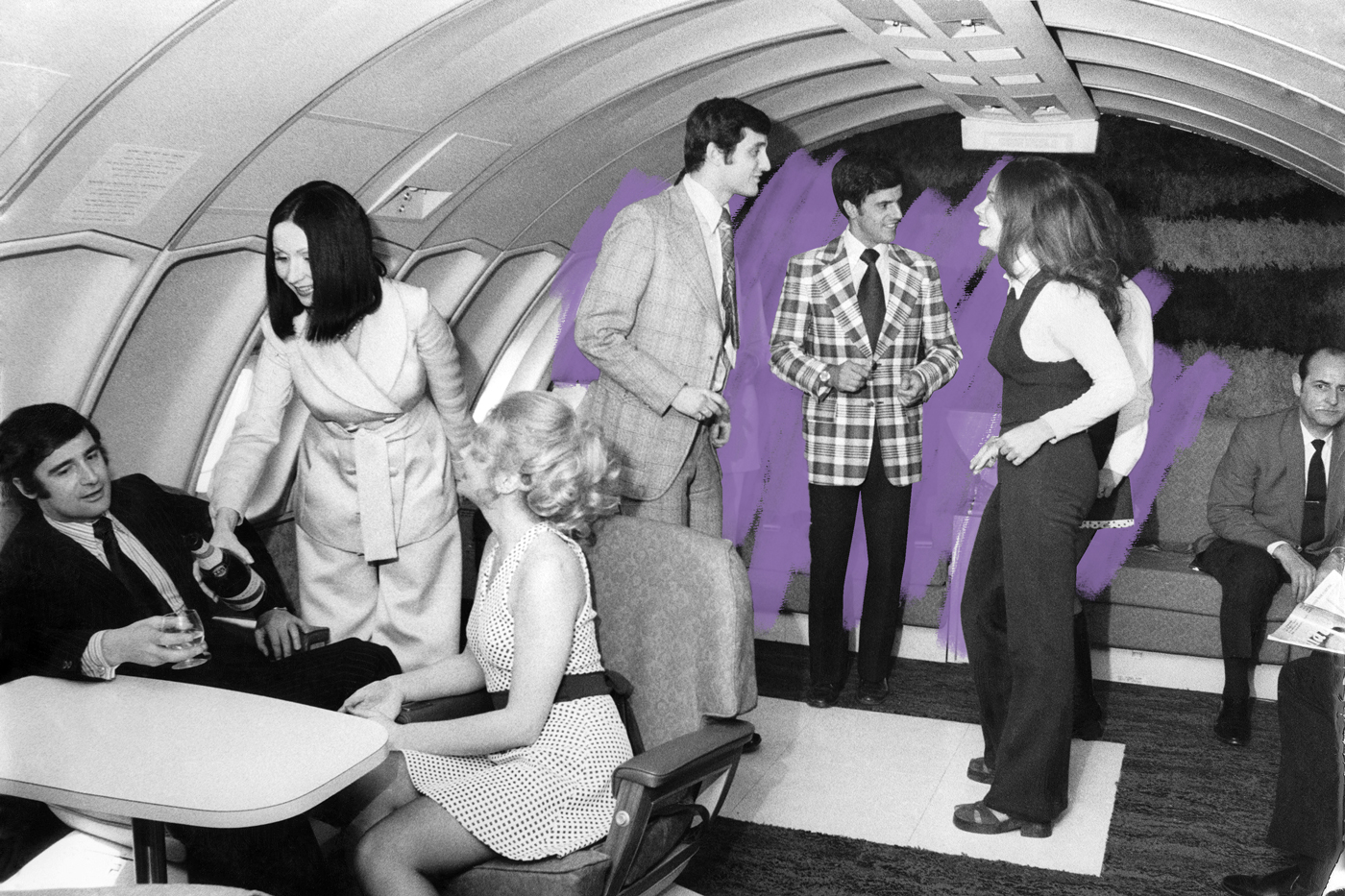
Photo: historyfacts.com Life on board · 011971the year American's 747s got a piano lounge
Jumbo jets once had piano bars and a dance floor
1949 to the 1980s
In the early days of big airliners, flying was a social event. The Boeing 377 Stratocruiser of the late 1940s had a cocktail lounge for 14 people, reached by a spiral staircase to its lower deck. When the 747 arrived, American Airlines took out dozens of economy seats in 1971 to fit a lounge with a Wurlitzer electric piano, which a steward would sometimes play. Around the same time Air Canada put a small dance floor, a mirrored wall and 8-track music upstairs on its 747s flying between Toronto and Europe. The dance floor lasted only about a year, and by the 1980s most lounges had become rows of paying seats.
-

Photo: scienceabc.com Life on board · 02Brand-new planes still come with ashtrays
Smoking has been banned on nearly every flight for decades, yet airliners still leave the factory with ashtrays next to the toilet doors. US safety rules require them whether or not smoking is allowed. The reasoning is simple: sooner or later someone will light up in secret, and it is far safer for them to put the cigarette out in a metal ashtray than in a bin full of paper towels.
-

Photo: viewfromthewing.com Life on board · 03115 lbthe heaviest a 1930 stewardess could be
The first air hostesses had to be nurses
15 May 1930
Ellen Church was a registered nurse with a pilot's licence. Boeing Air Transport, which later became United, would not hire her to fly, so she talked the airline into putting nurses on board to calm nervous passengers. On 15 May 1930 she worked a 20-hour trip from Oakland to Chicago with 13 stops, becoming the first woman flight attendant. She and her seven colleagues had to be single nurses no older than 25, no taller than 5 ft 4 in and no heavier than 115 lb, and their jobs included carrying bags and helping to refuel the plane.
-
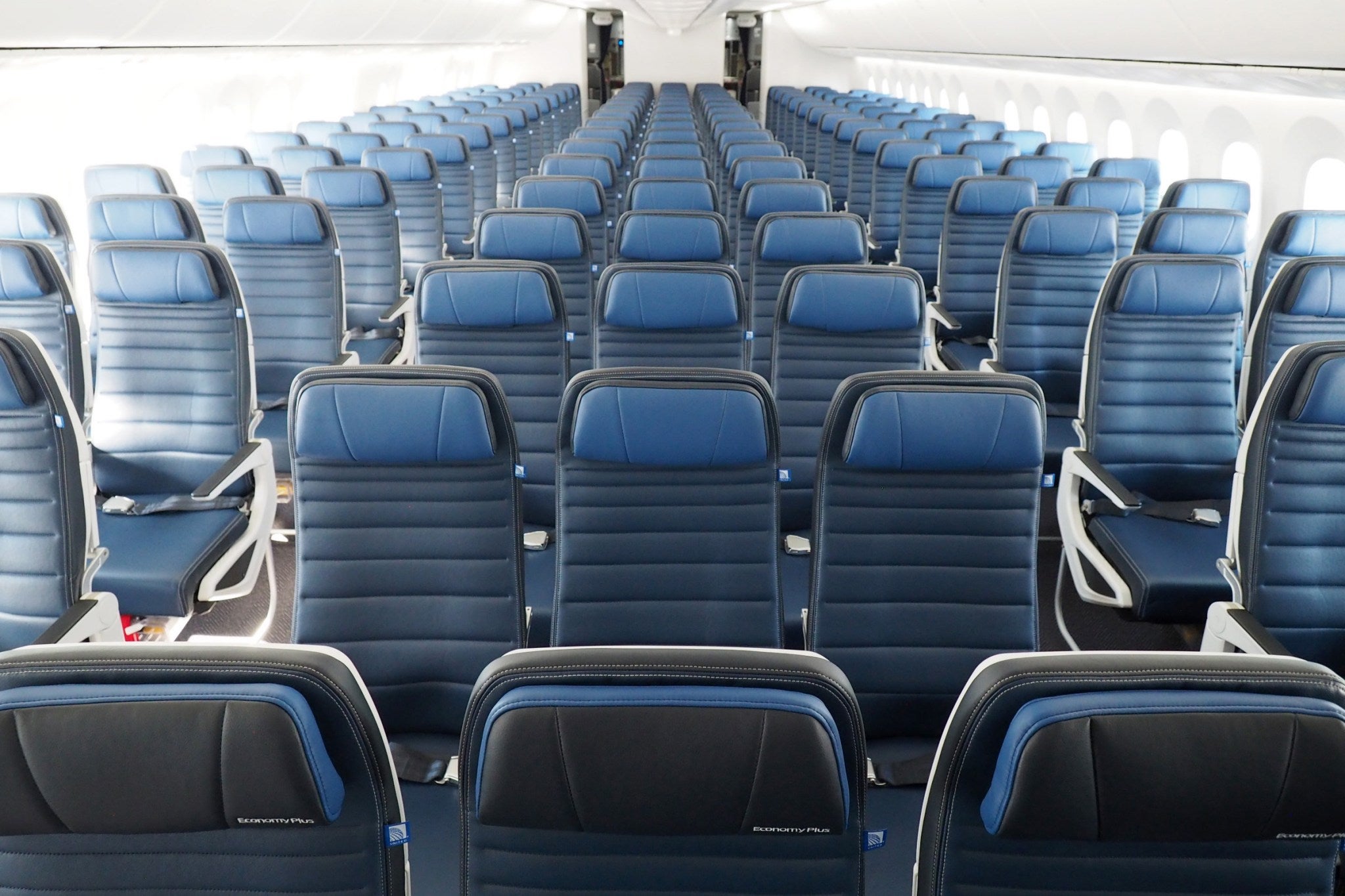
Photo: thepointsguy.com Life on board · 0417the other row Lufthansa leaves out
Some planes have no row 13, and some no row 17
Plenty of airlines, among them Air France, Iberia, Ryanair and Lufthansa, skip row 13 on at least some of their planes, jumping straight from 12 to 14. Lufthansa goes further and leaves out row 17 too, because 17 is the unlucky number in Italy and Brazil. In Roman numerals 17 is XVII, which can be rearranged into VIXI, Latin for 'I have lived', in other words 'my life is over'. Lufthansa has no problem with a Gate 13 or a flight numbered 13, though.
-
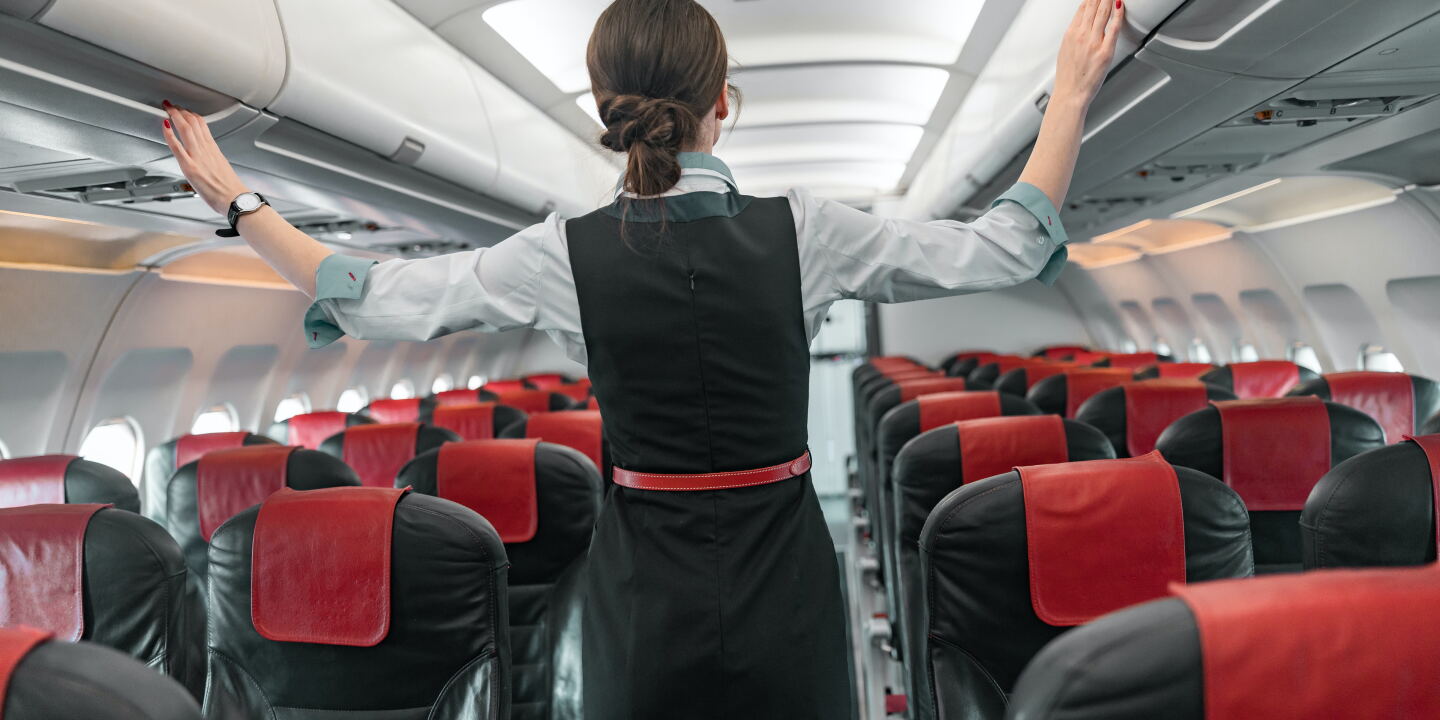
Photo: afar.com Life on board · 05The lights go down for landing so your eyes are ready
Take-off and landing are the riskiest minutes of a flight, so the crew dim the cabin lights to let everyone's eyes get used to the dark in advance. If the plane has to be evacuated at night or through smoke, nobody loses precious seconds waiting to see. A darker cabin also makes the exit signs and floor lights stand out, and with the blinds up the crew can look outside for fire or debris.
-
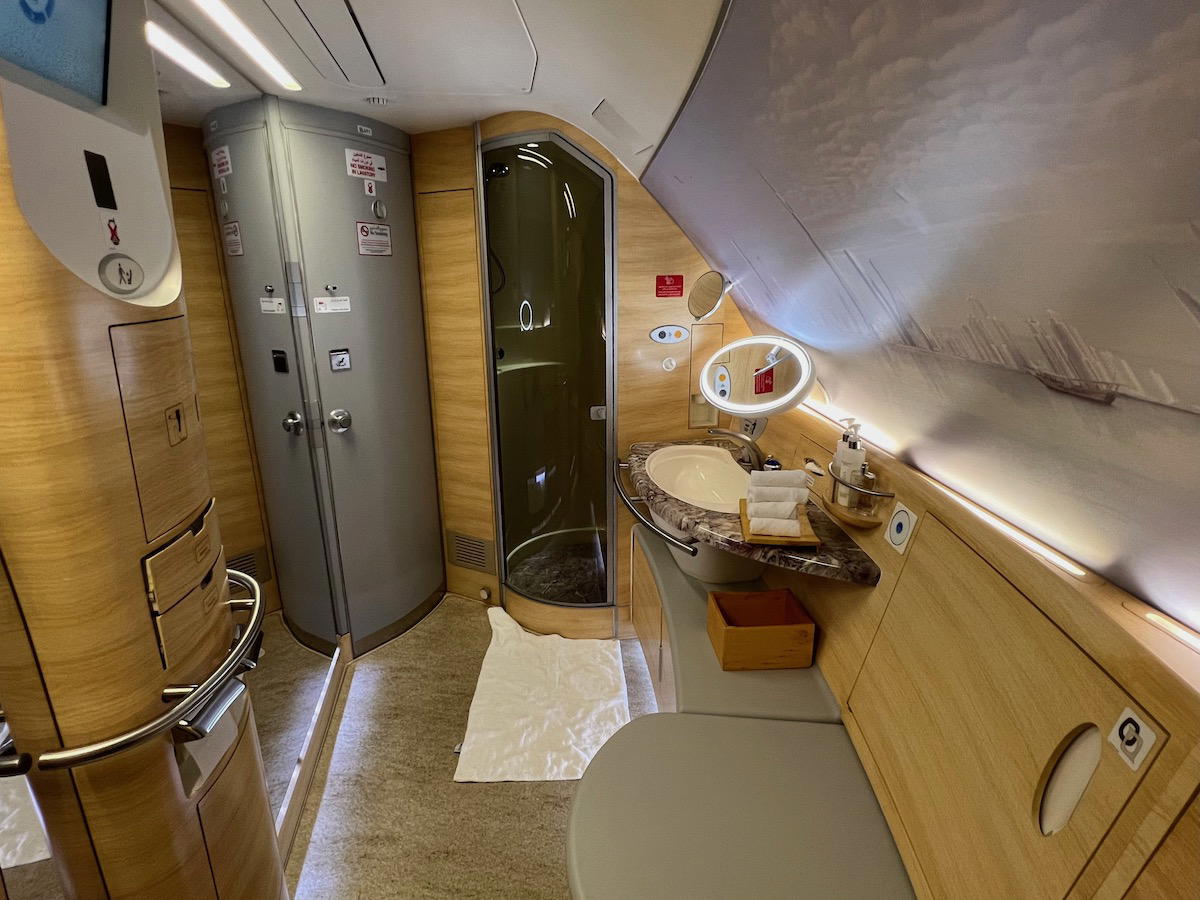
Photo: onemileatatime.com Life on board · 075 minof hot water per shower
You can take a shower on an Emirates A380
Emirates A380s with a first-class cabin have two 'Shower Spa' bathrooms at the front of the upper deck, one on each side of the staircase. First-class passengers book a slot of about half an hour, but the hot water is limited to five minutes, with a timer on the wall counting down.
-
Photo: sg.style.yahoo.com Food and drink · 08The two pilots usually eat different meals
Many airlines make sure the pilots at the controls eat different dishes, often at different times. If one meal turns out to be bad, only one of them gets sick and the other can still land the plane. It is airline policy rather than law: at Virgin Atlantic, for instance, the captain has to agree if both pilots want the same thing.
-

Photo: gulfnews.com Food and drink · 0930%weaker salt and sugar at cruising pressure
Tomato juice really does taste better in the air
2010
Lufthansa noticed that its passengers drank nearly as much tomato juice as beer, so it asked Germany's Fraunhofer Institute to find out why. In a mock cabin at low air pressure, testers found salt and sugar tasted up to about 30% weaker, and tomato juice that seemed earthy on the ground came across as fruity and refreshing. A later Cornell University study found that loud engine noise dulls sweetness but strengthens umami, the savoury taste that tomatoes are full of.
-

Photo: en.wikipedia.org Food and drink · 10$40,000saved a year by one olive
One missing olive saved an airline $40,000 a year
1980s
Robert Crandall, who ran American Airlines in the 1980s, was famous for hunting down costs. In the best-known story, he took a single olive off every first-class salad, nobody complained, and the airline saved around $40,000 a year. It is still told as a lesson in how small savings add up, though some tellings put the figure higher.
-
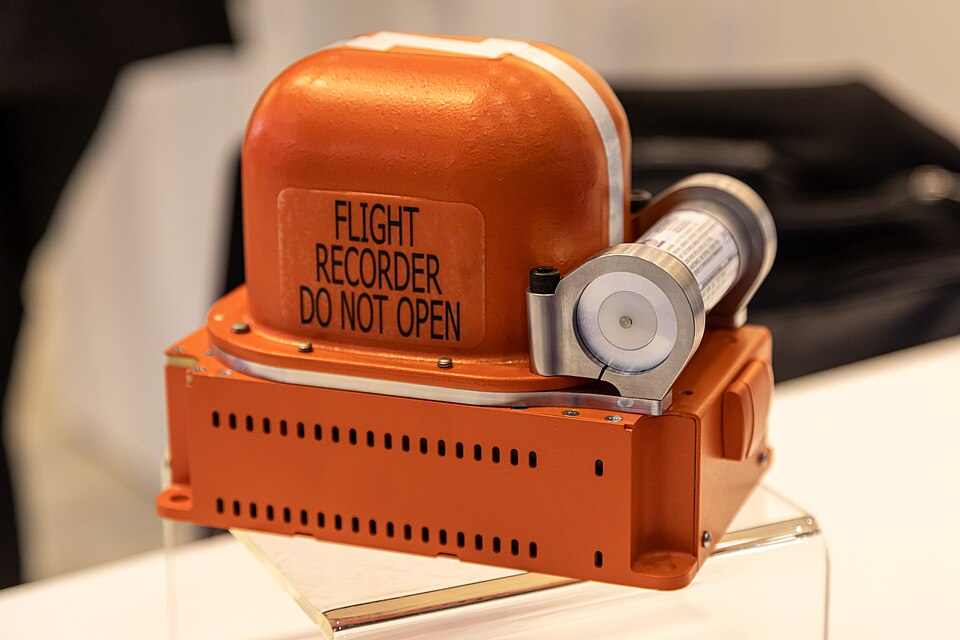
Photo: Matti Blume · CC BY-SA 4.0 How planes work · 11Orangethe real colour of a black box
Black boxes aren't black
The flight recorders everyone calls black boxes are painted bright orange, and US rules also allow bright yellow. The vivid colour and strips of reflective tape help investigators spot them among burnt wreckage or on the sea bed. Nobody is quite sure how the black box nickname started.
-
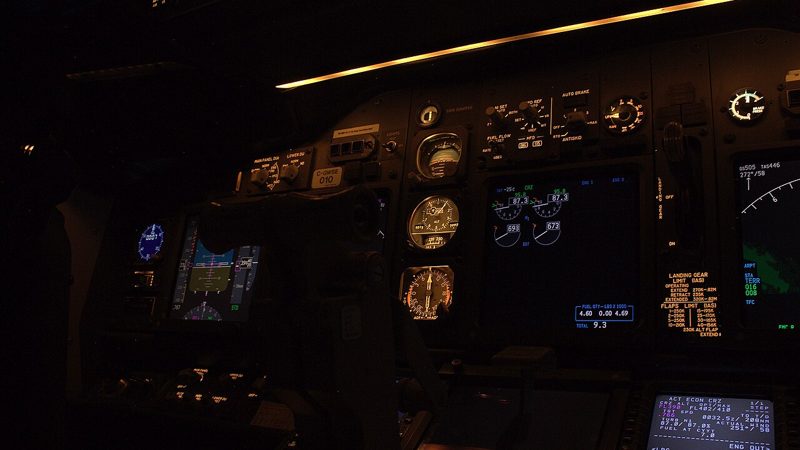
Photo: Shawn from Airdrie, Canada · CC BY-SA 2.0 How planes work · 121923first used at Croydon Airport
Mayday comes from French for 'help me'
1923
Once pilots began talking over the radio, they needed a spoken distress call, because the S in SOS was hard to hear on a crackly line. In 1923 Croydon Airport near London chose Mayday, from the French m'aider, as in venez m'aider, 'come and help me'. It suited the many flights between Croydon and Le Bourget in Paris. The idea is credited to Croydon's senior radio officer, Frederick Stanley Mockford, and in 1927 it became the official international voice distress call.
-
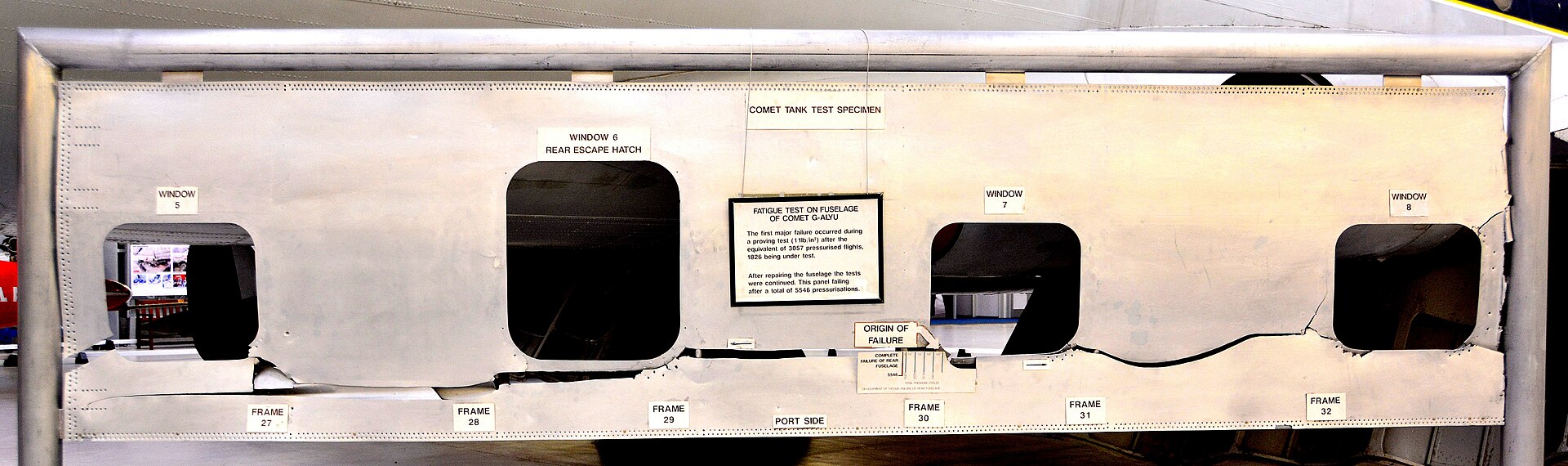
Photo: Mike McBey · CC BY 2.0 How planes work · 131954the crashes that rounded the windows
Plane windows are round because of two crashes in 1954
1954
The de Havilland Comet, the world's first jet airliner, had squarish cut-outs for its windows and hatches. Every flight pressurised the cabin and then let the pressure out again, and over time the stress gathered at the corners until the metal cracked. In 1954 two Comets broke apart in the air over the Mediterranean. Investigators then pumped a whole Comet up and down in a water tank until it split open at the corner of a window, and airliner windows have had rounded shapes ever since.
-

Photo: afar.com How planes work · 143panes in a typical airliner window
The tiny hole in your window has a job
Airliner windows are usually made of three acrylic panes, and the little breather hole goes through the middle one. It keeps the air between the panes at cabin pressure, so the outer pane takes the strain while the middle one stays in reserve as a backup. The hole also stops the gap between the panes from fogging up, so you keep your view of the clouds.
-

Photo: smithsonianmag.com How planes work · 151 a yearlightning strikes per airliner, on average
Every airliner is hit by lightning about once a year
On average each airliner is struck by lightning roughly once a year, usually while climbing or descending through cloud. The electricity runs along the plane's metal skin and leaves again, often without passengers noticing anything. Jets built mostly from carbon fibre, such as the Boeing 787, have a fine metal mesh in their skin so the current travels round them in the same way.
-
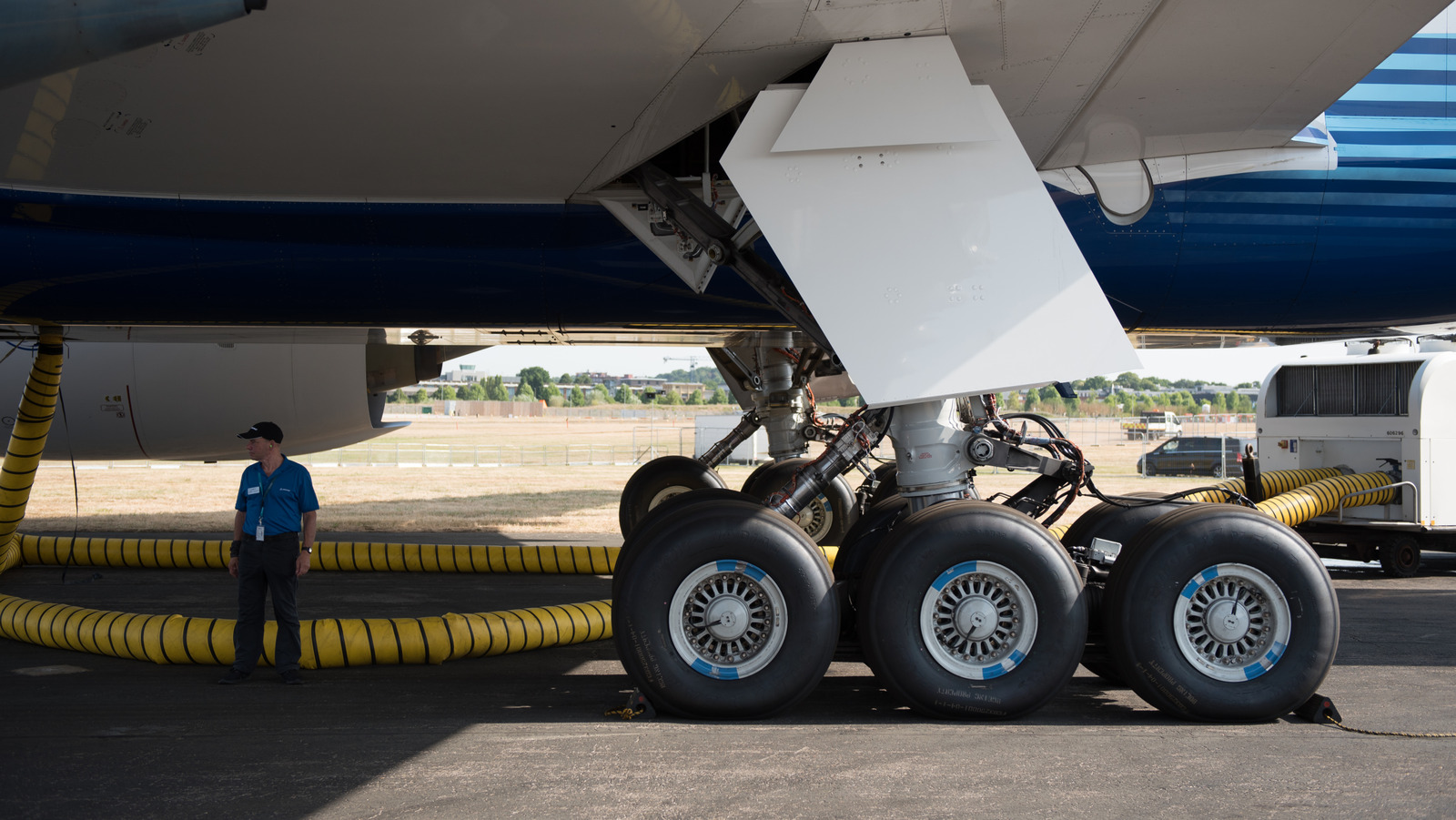
Photo: slashgear.com How planes work · 1675,000 lbabove this, US airliners must use nitrogen
Airliner tyres are filled with nitrogen, not air
The tyres on big airliners are pumped up with dry nitrogen instead of ordinary air. After a hard stop a hot tyre can give off gases, and the oxygen in normal air could make them catch fire or explode, while nitrogen does not feed a fire. Dry nitrogen also carries no moisture that could freeze at altitude. In the US it is a rule for airliners weighing more than 75,000 lb at take-off.
-

Photo: monocle.com How planes work · 186 millionparts in a Boeing 747
A jumbo jet is built from about six million parts
A Boeing 747 is put together from roughly six million parts, about twice as many as a Boeing 777. The pieces were made by suppliers across the United States and around the world, then brought together at Boeing's enormous factory in Everett, near Seattle.
-

Photo: nps.gov Firsts and record breakers · 19120 ftthe length of the very first flight
The first flight would fit inside a jumbo jet's wings
17 December 1903
Orville Wright's first powered flight at Kitty Hawk lasted 12 seconds and covered about 120 feet (37 m). The first Boeing 747 measured 195 ft 8 in from wingtip to wingtip, so the whole flight could have taken place between a jumbo's wings with room to spare. Orville noticed the same thing in 1944, when he flew in a Lockheed Constellation whose wings were longer than his first hop.
-

Photo: airandspace.si.edu Firsts and record breakers · 2066 yearsfrom Kitty Hawk to the Moon
Pieces of the Wright brothers' plane went to the Moon
20 July 1969
Neil Armstrong, who came from Ohio like the Wright brothers, packed a sliver of wood from the 1903 Wright Flyer's propeller and a scrap of fabric from its wing in his personal kit for Apollo 11. They were inside the lunar module Eagle when it landed on the Moon, just 66 years after the first flight at Kitty Hawk. Some of the pieces are now on show at the Smithsonian.
-

Photo: aeroreport.de Firsts and record breakers · 213½ hrsLondon to New York on Concorde
On Concorde you landed before you took off
1976 to 2003
Concorde crossed from London to New York in about three and a half hours, while New York's clocks are usually five hours behind London's. So on the westbound trip passengers touched down earlier, by local time, than they had left. British Airways' morning flight left Heathrow at 10:30 and arrived at JFK around 8:30, which is how Concorde got its name as a time machine.
-
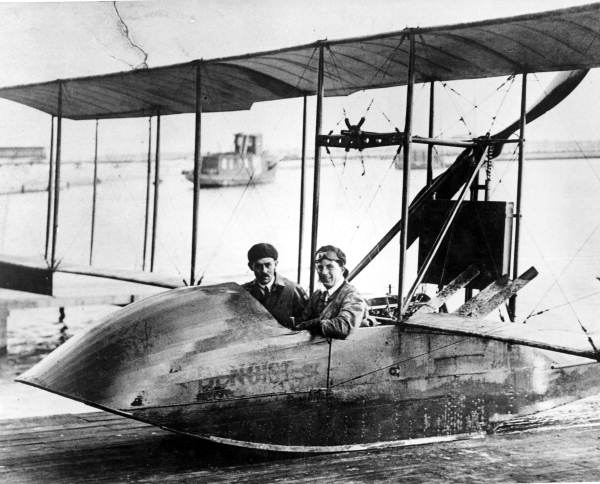
Photo: vintageaviationnews.com Firsts and record breakers · 22$400paid for the first airline seat
The first airline seat was sold at auction for $400
1 January 1914
The world's first scheduled passenger airline, the St. Petersburg-Tampa Airboat Line, started flying in Florida on 1 January 1914. Pilot Tony Jannus took a Benoist flying boat across Tampa Bay in about 23 minutes. His only passenger was Abram C. Pheil, a former mayor of St. Petersburg, who had won the first seat at an auction for $400. Everyone after him paid the normal fare of $5 each way.
-
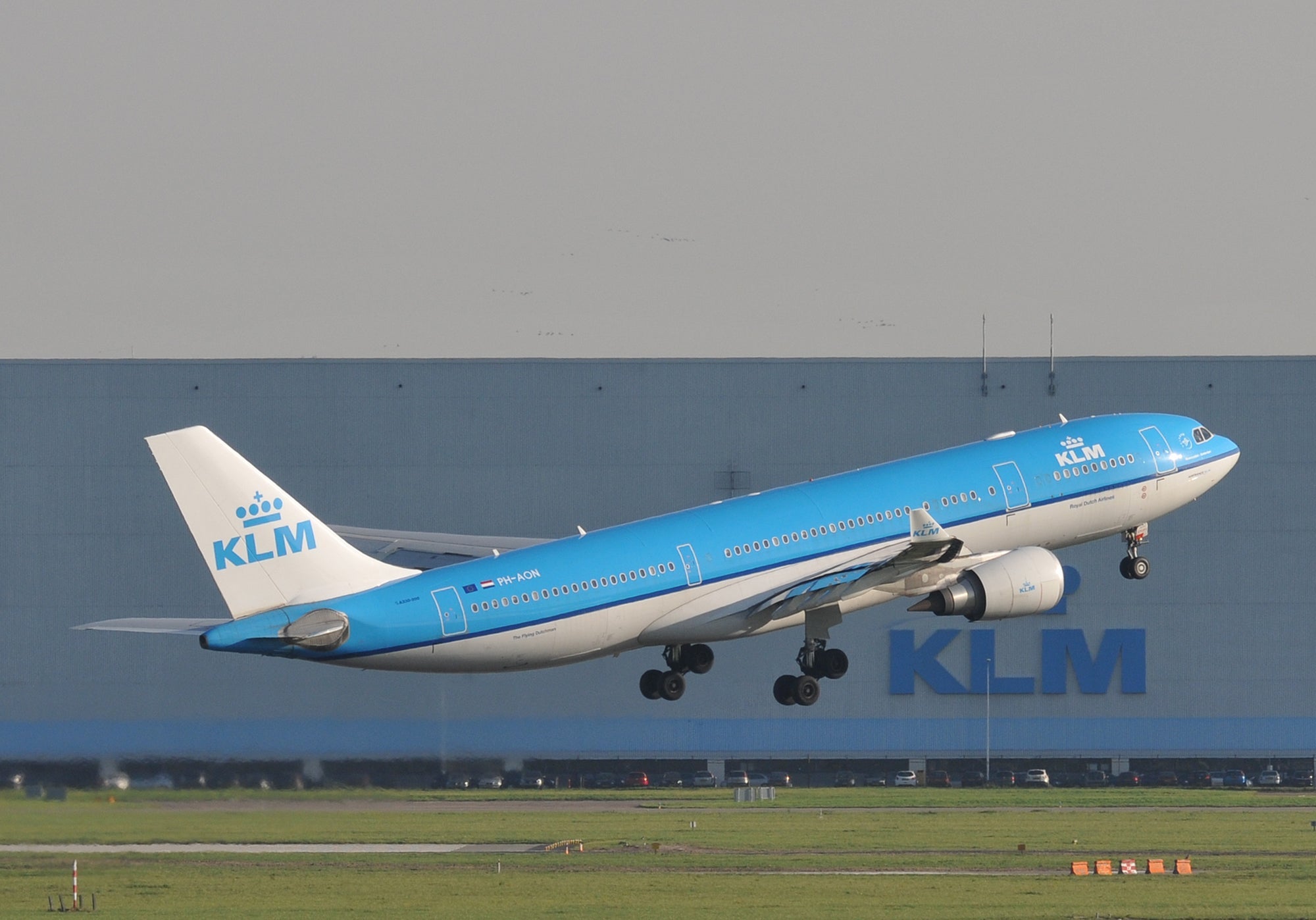
Photo: thepointsguy.com Firsts and record breakers · 231919the year KLM was founded
KLM is the oldest airline still using its first name
7 October 1919
KLM Royal Dutch Airlines was founded on 7 October 1919 and flew its first service, from London to Amsterdam, in May 1920. No other airline in the world has kept flying under its original name for as long, and it turned 100 in 2019.

