Passenger safety
What passengers can do when something goes wrong on board
On flydubai Flight 1073, an injured captain opened the cockpit door, and off-duty pilots, cabin crew and passengers did the rest. Most flights never see anything like it, but a few simple habits help in any emergency, whether you are seated close to the trouble or at the back of the plane.
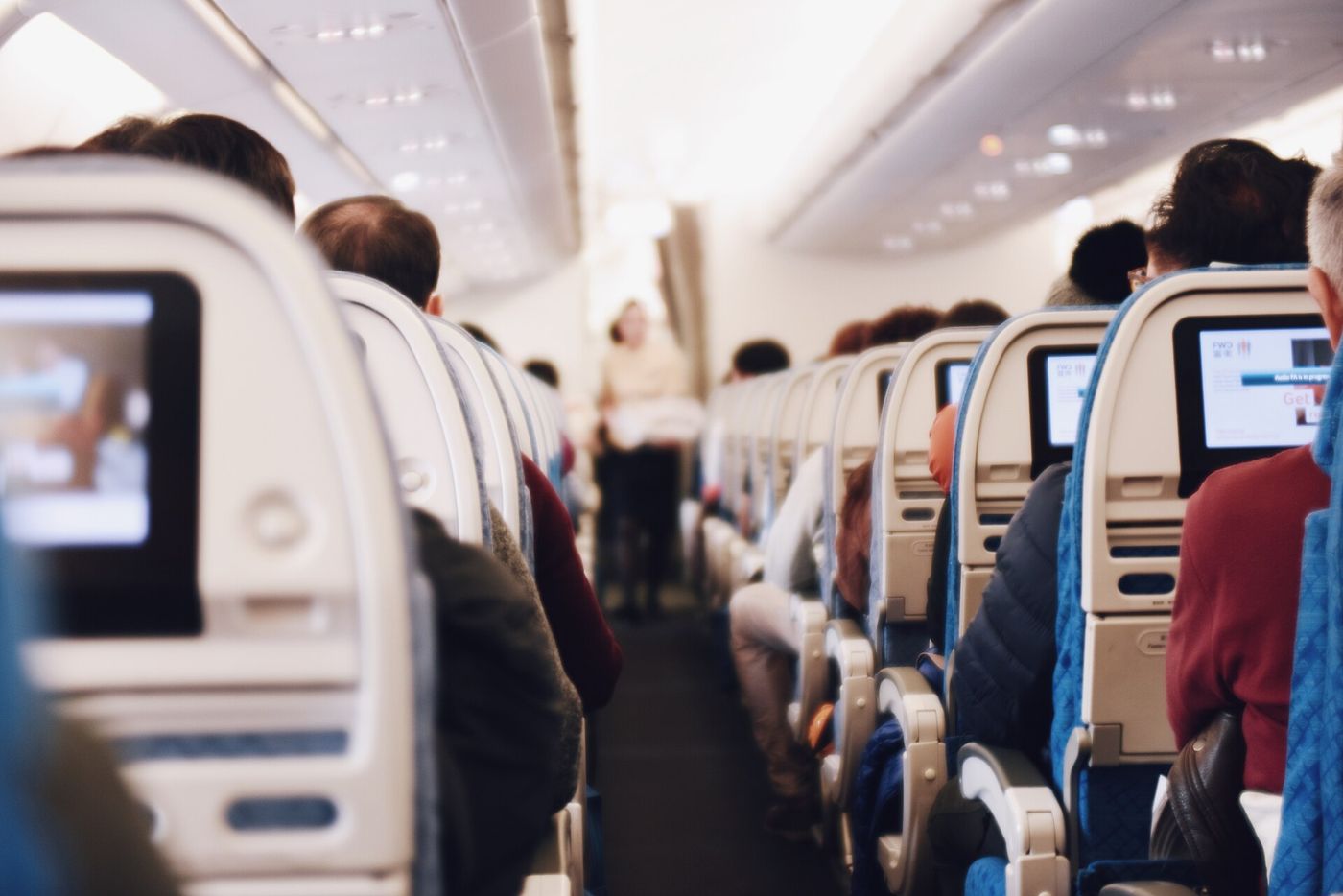
This is general information, not training. The cabin crew are trained for these situations: their instructions always come first.
The trouble can start anywhere in the cabin. "Close by" simply means the people nearest to it.
Everyone on board
- Keep your seat belt fastened whenever you are seated, even when the sign is off. A sudden drop can come with no warning; the FAA says most people hurt in turbulence were not wearing one. FAA ↗
- Listen to the safety briefing and read the card. Count the rows to your nearest exits, in front and behind. FAA ↗
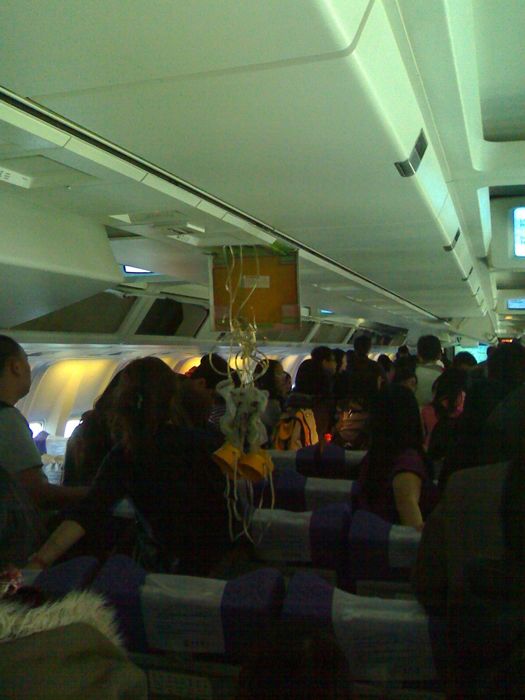
- Follow crew instructions straight away. If oxygen masks drop, put yours on first, then help others. If told to brace or evacuate, do it immediately and leave your bags. FAA ↗
If you are close to the trouble
Seated near the person causing it, near the cockpit, or near the galley.
What happened on Flight 1073: a 6-year-old girl asked to go to the toilet at the front of the plane just as the attack began. Her mother, waiting outside, heard the struggle in the cockpit and immediately told her husband in the front row and one of the off-duty pilots on board. Within moments, they and other passengers were at the cockpit door. WION ↗ The New York Times ↗ Israel Hayom ↗
- Tell the crew at once. Press the call button or go to a crew member, quietly if you can. Don't wait to see if it gets worse. SKYbrary ↗
- Don't argue with or provoke the person. Give them space if you can, and let the crew lead. Trained crew can often calm a situation that a confrontation would make worse. FAA ↗
- Help when the crew asks you to. The captain can ask passengers to help restrain someone who is endangering the flight, and international law protects people who help. Tokyo Convention, Art. 6 and 10 ↗
- If lives are in immediate danger and there is no time to ask, the same convention allows any passenger to take "reasonable preventive measures" to protect the aircraft or the people on it. Act together with others, and use no more force than needed. About the convention ↗
- If you are a pilot, crew member, doctor or nurse, say so to the crew straight away. On Flight 1073, off-duty pilots travelling as passengers landed the plane. The National ↗
If you are farther away
Your job is mostly to make the crew's job easier.
- Stay in your seat with your belt on, unless the crew call for help. The aircraft may climb, dive or turn suddenly. FAA ↗
- Keep the aisle clear so crew and anyone helping them can move quickly. Don't crowd towards the trouble.
- Listen for announcements and pass instructions on to anyone who missed them, didn't understand, or doesn't speak the language.
- Look after the people around you: children, older passengers, anyone panicking. Put your own oxygen mask on first. FAA ↗
- Be ready for the landing: know your nearest exit, listen for the brace command, and leave everything behind if you are told to evacuate. FAA ↗
Afterwards
- Follow instructions from the crew and the authorities when you land, and tell investigators what you saw.